Coonhound Sports and Jobs: Putting the Breed's Instincts to Work
General training information. Every dog is an individual; for health or behavior concerns, see your veterinarian.
A bored hound is a loud, inventive hound. If you share your home with a Black and Tan Coonhound, you already know the nose leads and the rest of the dog follows. The good news is that this drive can be pointed at something useful.
This guide covers coonhound sports and the jobs the breed was built for, why they fit, and how to get started step by step. It focuses on the Black and Tan Coonhound, the breed we have verified information for. The AKC recognises six coonhound breeds, and the others may differ, so check breed-specific sources if you own one of them.
What the Breed Was Built to Do
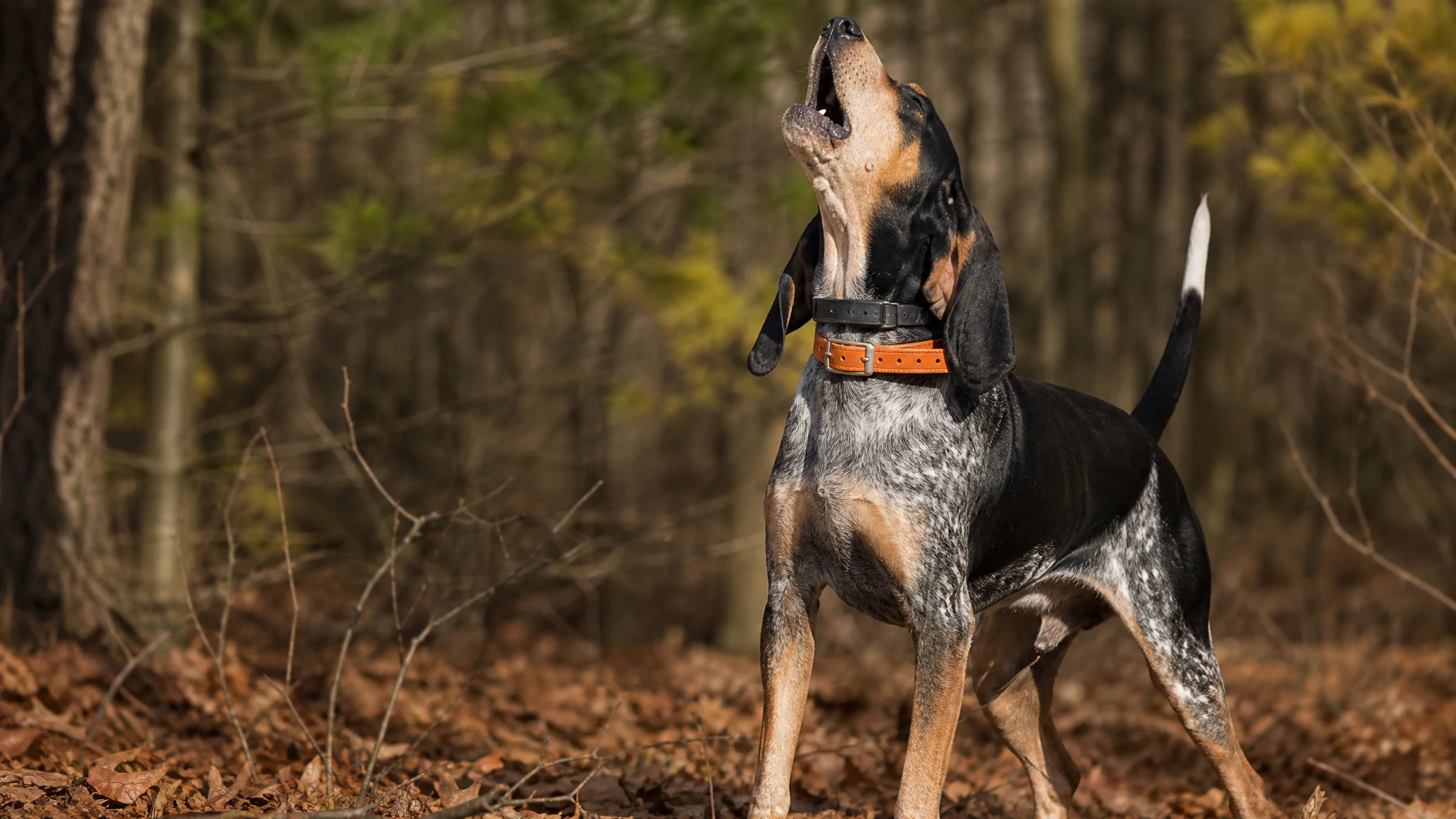
According to Hill's Pet, the Black and Tan Coonhound was developed for raccoon hunting. It works as a trail and tree hound and has also been used on opossum and larger game. Vetstreet notes the breed came out of the southern United States in the late 18th century, from Foxhounds and probably the Bloodhound.
That history explains a lot of daily life with this dog. Orvis describes the breed as easily distracted, not always willing to do as asked, and prone to chasing scents, so it advises keeping the dog on leash. Hill's describes the temperament as responsive, intelligent, loyal and passionate about the work.
Individual dogs vary. Still, a dog bred to follow a trail for a living is likely to enjoy a job that lets the nose do the talking.
Coonhound Sports and Jobs to Consider
Embrace Pet Insurance lists raccoon hunting as the traditional work of the breed, and suggests tracking and search and rescue as other outlets. Here is what each one involves and why it may suit a coonhound.
Tracking
Tracking asks a dog to follow a specific scent trail from start to finish. For a hound, this is the exact skill the breed was developed around. The dog gets to use its nose on purpose, with a human on the other end of the line.
Search and Rescue
Search and rescue teams use dogs to find missing people. It is demanding, serious volunteer work, and the training commitment for the handler is large. Embrace Pet Insurance suggests it as an option for the breed. Whether a particular dog is a good candidate is a question for the team that would train it.
Raccoon Hunting
This is the breed's original job, per Hill's Pet. If you want to hunt, rules on seasons, licences and methods vary by location. Check with your state or local wildlife agency before heading out. We do not have those rules to share, and they change.
Scent Games at Home
You do not need to join anything to start. The home version of tracking is a hide-and-seek scent game, and it works as an introduction to every option above. The steps below use it.
Materials You Will Need
- A secure, well-fitted harness or flat collar and a standard leash.
- A longer lead for trail work, so the dog has room to search while you stay in control.
- Small, soft, smelly food rewards. Embrace Pet Insurance says food rewards work well with the breed.
- A few scent items, such as an old sock or a clean cloth you have handled.
- A securely fenced yard for early practice. Vetstreet recommends a securely fenced yard for this breed.
- Water for you and the dog.
- Patience. Hill's says the breed can be more challenging to train than others and needs a patient, consistent approach.
Step-by-Step: Starting a Coonhound in Scent Work
Step 1: Build Basic Cooperation First
Before you ask for a trail, make sure your dog knows a few basics: a sit, a name response and a walk on a loose leash. Embrace Pet Insurance recommends beginning early with positive reinforcement. Our complete guide to training a coonhound covers these foundations in detail.
Do not skip this step. A hound that cannot check in with you will be hard to work on any trail.
Step 2: Meet the Gear Calmly
Let your dog sniff the harness and long lead. Give a treat when the harness goes on and another when it comes off. Keep early sessions short and upbeat. The harness can become the signal that the fun job is about to start.
Step 3: Play the Simple Find Game
Start in a quiet room or fenced yard. Show your dog a treat, then drop it a few steps away in plain view. Say a cue word such as "find" as the dog goes to it. Repeat a handful of times.
The goal is for the dog to link the cue word with using its nose and being rewarded.
Step 4: Hide the Reward
Next, place the treat where the dog cannot see it, behind a chair leg or in a low patch of grass. Ask the dog to find it. Let the dog work out the problem without hints. Reward right at the spot when the dog succeeds.
Make it a little harder over several sessions, one change at a time.
Step 5: Lay a Short Trail
Drag a scented item or a treat across a short stretch of grass in a straight line. Place a reward at the end. Bring your dog to the start on the long lead and give the cue. Walk behind the dog and let the nose lead.
Keep the line loose but controlled. If your hound wanders off the track, stand still and let it work back, rather than pulling it around.
Step 6: Add Turns and Time
Once straight trails go smoothly, add a gentle bend. Later, let the trail sit a few minutes before the dog runs it. Increase difficulty slowly. If the dog starts to fail, go back to the last easy level and rebuild confidence.
Step 7: Move to New Places
Dogs often struggle when the location changes, so practice in different fields and parks. Keep the dog on leash outside a secure fence. Orvis notes this breed chases scents, so a loose coonhound may follow a trail well away from you. This is why the long lead matters.
Step 8: Find Local Groups and Events
When you and your dog are ready for outside help, look for groups in your area. Many communities have dog training clubs, hound-focused clubs and volunteer search teams. Ask what they offer, what age and training level they expect, and whether a beginner can watch a session first.
For organised events, check the AKC for current event types, rules and eligibility. The American Black and Tan Coonhound Club is named as the breed's parent club by Wikipedia, so it may be a good source of breed-specific advice. We could not confirm a current web address for the club, so ask your veterinarian, local clubs or the AKC how to reach them.
Tips for Success
- Keep sessions short. Five to ten minutes of focused nose work can be plenty at first. End while the dog still wants more.
- Use food that matters. A hound that can smell a hundred things needs a reward worth choosing you over them.
- Make the work part of daily exercise. Vetstreet suggests at least a half hour walk once or twice daily, while Hill's says more than 40 minutes a day. Scent games add to this rather than replace it.
- Let the dog solve it. Resist the urge to point. Learning to search is the whole point.
- Be consistent. The same cue word, the same routine and the same rewards help a distractible hound understand the job.
- Plan for howling. Orvis lists howling as a known trait. Warn neighbours and consider where you train.
Common Mistakes to Avoid
- Training off leash in unfenced areas. A hound that locks onto a scent may ignore you. Keep the dog on leash or long lead outside a secure fence.
- Making trails too hard too fast. Frustration leads to a dog that gives up or wanders. Build in small steps.
- Using harsh corrections. The AVSAB position is that reward-based training is the humane approach. Shock, prong and choke collars, alpha rolls and dominance methods have no place here, and they can damage the trust a working team depends on.
- Skipping basic obedience. Hill's says this breed needs patient, consistent training. Sports build on that base.
- Ignoring your dog's body. Long days on rough ground are hard work. Watch for limping, tiredness or other changes, and talk to your veterinarian rather than guessing.
- Expecting a finished worker quickly. Progress is gradual and differs between dogs.
Health and Fitness Considerations
Before starting any demanding activity, have your veterinarian check your dog. Vetstreet lists hip evaluation (OFA or PennHIP), Canine Eye Registry Foundation eye certification and an OFA cardiac evaluation as health screens for the breed. Embrace Pet Insurance lists hip dysplasia, autoimmune thyroiditis, ectropion, hemophilia B in some dogs, ear infections from floppy ears and coonhound paralysis among the health issues seen in the breed.
Questions about whether your dog is fit for a particular job belong with your veterinarian. This article cannot diagnose a dog or advise on treatment.
What You Can Reasonably Expect
With regular, reward-based practice, many coonhounds may become more focused and more settled at home, because the dog gets a real outlet for its nose. You may also find your walks go more smoothly once the dog understands there is a time for working and a time for just walking.
Results depend on the individual dog, its age, its history and how consistently you train. Some dogs take to trailing quickly, while others need weeks of patient work before they stay on task. Treat each small success as progress.
Quick Start Checklist
- Confirm with your veterinarian that your dog is ready for regular activity.
- Practice the basics and a reliable name response.
- Introduce the harness, long lead and the "find" cue.
- Progress from visible treats to hidden treats to short trails.
- Practise in new places on leash, with a secure fence or long lead.
- Contact local clubs, the AKC or search teams to ask about next steps.